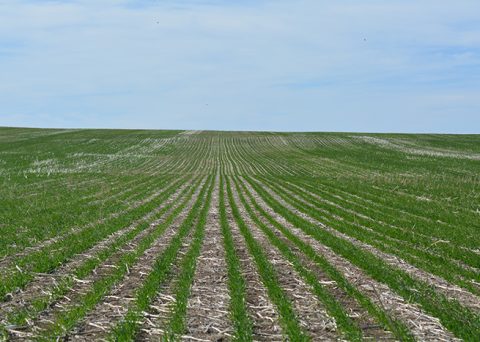
Fall herbicide applications have become an important tool for managing winter annuals, reducing spring workload, and getting ahead of tough weeds before next year’s crop is even seeded.
When a soil active herbicide is part of your fall program, application timing and field conditions play a big role in how well that residual layer performs the following spring. A few simple considerations can help ensure you get the most value from your investment.
Here are six practical tips to keep in mind when planning a fall-applied soil active herbicide program.
1. Apply when soil is 10° C or cooler
Timing is critical with fall residual applications.
As soil temperatures cool below 10°C, microbial activity in the soil slows which means less herbicide breakdown. This allows for maximum herbicide availability in the spring when weeds are germinating.
Many growers use the same principle they follow when planning fall fertilizer applications: wait until soils have cooled down before making the application.
2. Start with a clean field
Soil active herbicides are designed to create a barrier on the soil surface. This means they need to reach the soil surface and not get tied up in heavy green growth.
Fields with significant regrowth, volunteer cereals, winter annuals, or perennial weeds can intercept spray droplets before they ever reach the soil. The more green material covering the ground, the less herbicide reaches its intended target.
If you’re investing in a residual program, make sure the field is clean enough to allow the product to reach the soil surface.
3. Minimize trash
Just like green vegetation, heavy residue can tie up a soil active application.
Straw, chaff, and uneven residue distribution can prevent product from reaching the soil, creating gaps in the herbicide barrier. Fields where residue was evenly spread at harvest often provide more consistent performance than fields with heavy windrows or residue piles.
The goal is simple: get as much product as possible onto the soil.
4. Use plenty of water
Water volume can make a significant difference when applying soil active herbicides.
A minimum of 10 gallons per acre is recommended to help improve coverage and ensure the product reaches the soil surface through crop residue. Higher water volumes can also improve consistency across varying field conditions.
Fall applications can often feel less rushed than spring, making it easier to prioritize application quality over acres covered per hour.
5. Leave the herbicide layer undisturbed
One of the biggest advantages of a fall residual program is establishing a herbicide barrier before spring weed emergence.
However, that barrier needs to remain intact.
Tillage, aggressive harrowing, or any operation that significantly moves soil can disrupt the herbicide layer and reduce effectiveness. If you’re planning a fall-applied residual program, consider how much soil disturbance will occur before seeding the following spring.
Less disturbance generally means a more consistent barrier and better weed control.
6. Focus on long-term weed management
Fall-applied soil active herbicides aren’t just about controlling weeds this year. They’re about setting up cleaner fields next spring and helping manage difficult and resistant weed populations over the long term.
By reducing early-season weed pressure, residual herbicides can help protect crop competitiveness while potentially reducing the number of emerged weeds that require management later in the season.
Getting ahead of weeds before they’re visible is often one of the most effective strategies available.
The bottom line
Fall applications can be an excellent opportunity to get more out of your weed control program, but success starts with the right conditions. Apply when soil temperatures have dropped below 10°C, ensure the product reaches the soil surface, use adequate water volumes, and do your best to leave the herbicide layer undisturbed until seeding.
When applied properly, fall soil active herbicides can help deliver cleaner fields, fewer early-season weeds, and a stronger start to the growing season.