
The use of technology and innovation is key to our strategy to deliver sustainable solutions to our customers—enabling farmers to reliably produce affordable food, feed and fuel in ways that regenerate the environment and protect the ongoing needs of future generations.
Food security
By 2050, the world must feed 10 billion people using existing resources and land [1]. Nufarm’s innovative approaches to producing more food on less land with fewer resources is one of the contributing factors to making nutritious, safe, and healthy food accessible and affordable.
Nufarm’s solutions aim to maintain the long-term health of the land, combating the rise of resistance in weeds, pests, and fungi, extending the efficacy of our crop protection products and offering cost-effective resistance solutions, allowing growers to sustain high yields and keep food production costs affordable.

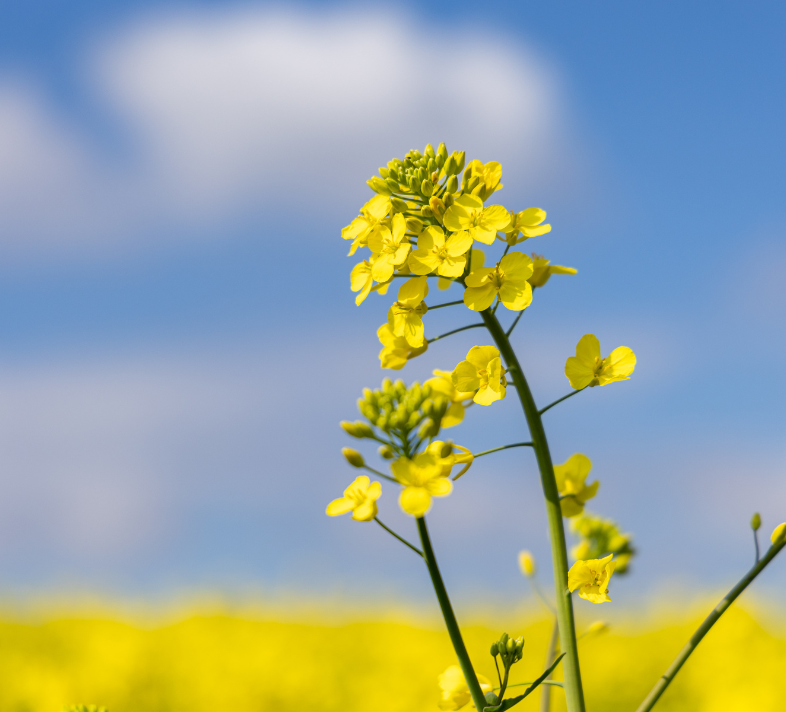
We have invested in breeding technology and capabilities that enable development of improved seed varieties, helping us solve for specific local conditions and market needs. Our global breeding centres support crop advancements around the world in canola, sunflower, sorghum, carinata and energy cane. As our customers seek solutions that protect yields with reduced chemical use, we are expanding our ’emerging’ solutions portfolio with spraying solutions that can meet the evolving needs of growers.
Our strong adoption of new seed varieties indicates that we are meeting grower needs, with over 70 per cent of our Australian seed revenue in FY24 stemming from varieties launched in the past three years. Consequently, one in every two hectares of canola in Australia is sown with Nufarm genetics [2].
Case studies
Examples of Nufarm's sustainability initiatives.
In FY24, Nufarm continued its commitment in innovative agricultural solutions through an agreement with Norwegian start-up, Kilter AS. Kilter is an application technology company present in the Norwegian, Swedish and German markets.
Using a patented Single Drop Technology, Kilter AX-1 can apply herbicide to weeds selectively, thus shielding the crop from the negative impacts of traditional herbicides. This unique, precision approach has the potential to greatly reduce the use of herbicides, even in the treatment of weeds significantly tangled with crop plants.
Kilter’s rigorous understanding of agricultural practices, experienced engineering team and advanced AI platform has given Nufarm a new tool that approaches weeding in a more innovative way than current traditional farming practices. Nufarm is optimistic about the potential for greater commercialisation of this promising innovative technology in the years to come.
‘Kilter’s autonomous sprayer will not only reduce the need for crop protection products, it also increases yields and helps overcome the rising issue of labour shortage for growers. AX-1 will open up our access to precision application in vegetable crops, and is complementary to our existing precision application system Weed-It for use in broad acre crops. It also adds another autonomous vehicle to our portfolio and will be sold alongside Prospr which we launched earlier in FY24.’
Rico Christensen, Nufarm Group Executive, Portfolio Solutions
Partnership for growth for downstream uses of Nutriterra
In December 2023, we selected Connoils as the exclusive partner for producing a powdered formulation of its Nutriterra® docosahexaenoic acid (DHA) Canola oil. The new format will expand potential applications for the plant-based source of DHA from a genetically engineered canola, including in beverages and functional foods.
‘We’ve been searching for the right plant-based omega-3 for our portfolio, and Nutriterra is best-in-class,’ said Stacy Peterson, President of Connoils.
‘Our proprietary research indicates that 64 per cent of consumers prefer a plant-based omega-3 when presented an alternative to marine oils,’ said Mark Smith, nutraceutical lead at Nutriterra. ‘Nutriterra offers a mild flavour and is Friend of the Sea® certified, so consumers can meet their nutritional needs without compromising their taste or values.’
In May 2024, Nufarm selected Mitsubishi International Food Ingredients (MIFI) as a distributor for Nutriterra DHA Canola Oil. This affiliation will increase access to the world’s first plant-based source of total omega-3 oil. In addition to availability within MIFI’s food, nutritional, and pharmaceutical divisions, Nutriterra has the potential to also be relevant to MIFI’s beauty and pet businesses.
In July 2024, Nufarm entered into a partnership with KD Nutra®, a division of the KD Pharma Group to expand offerings of plant-based long-chain omega-3 ingredients.
‘We’re excited to partner with Nufarm to expand our plant-based omega-3 offerings,’ said Kimberly Smith, CEO of KD Nutra. ‘Nufarm’s innovation in plant-based nutrition together with KD Nutra’s technology platform and leadership in omega-3 will allow us to bring unique and renewable solutions to the industry.’
Improving marine biodiversity
Over 80 per cent of the global population does not receive adequate amounts of omega-3, an essential nutrient vital for eye, brain, and heart health. [3]
Nufarm has developed the world’s first plant-based source of omega-3. [4] Our Aquaterra® and Nutriterra® are plant-based oil products derived from our omega-3 canola, tailored to fulfil human nutritional requirements. Utilising less than 5 per cent of the land currently dedicated to canola cultivation, Aquaterra and Nutriterra have the potential to double the global supply of omega-3 nutrition. [5]
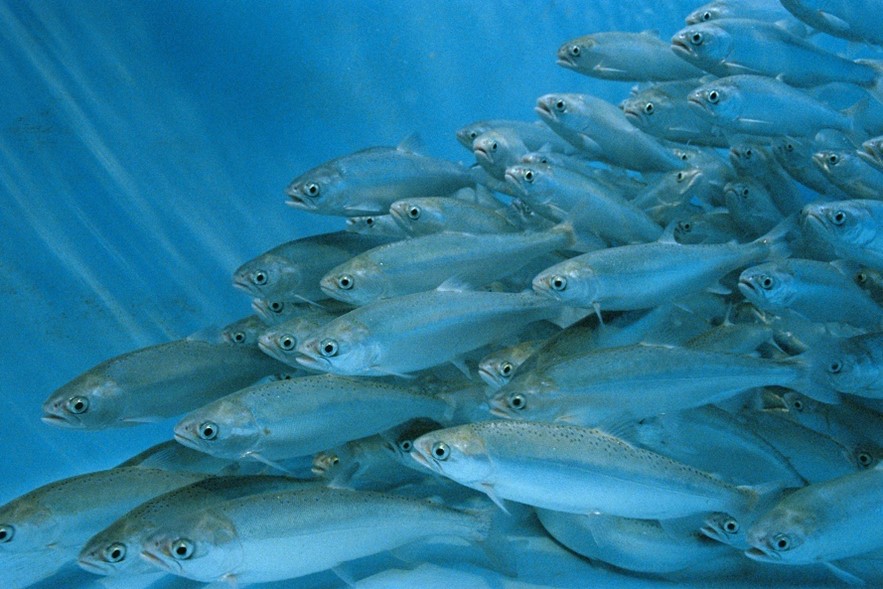
Prior to this invention, the aquaculture industry would source the oil needed for fish to grow from other fish. Around 34 per cent of the world’s fish stocks are currently overfished, which will potentially lead to fewer fish for future generations and reduced biodiversity [6].
Our proprietary omega-3 canola presents a viable, alternative omega-3 source that can be grown like other crops and still meet the needs of the aquaculture and nutraceutical markets.
The cultivation of the crop used for Aquaterra and Nutriterra is less demanding on resources compared with traditional marine algal oil extraction, and just one−two hectares of our omega-3 canola can produce as much docosahexaenoic acid (DHA) as 10,000 kg of wild caught fish. [7]
Inclusion and diversity
At Nufarm, we know that the diverse thinking of our employees, representing a broad range of backgrounds, cultures, and experiences, is an essential part of innovating sustainable agricultural solutions.
We place a focus on attracting diverse talent through targeted shortlists and gender diverse interview panels, and established graduate and internship programs in all regions to help build diversity pipelines across commercial, technology and engineering functions, fostering new talent for creating innovative solutions. In FY24, Nufarm Australia was selected as one of Australia’s Top 101 workplaces for women by WORK180.
References
View our sources.
[1] Reiserer, A (2023) How To Feed 10 Billion People, OPEC Fund for International Development. https://opecfund.org/news/how-to-feed-10-billion-people.
[2] Based on FY24 internal calculations combining data from the Australian Bureau of Agricultural and Resource Economics and Sciences (ABARES), our sales volumes and Nuseed’s end point royalty (EPR) collection data.
[3] Stark, K et al. (2016) Global survey of the omega-3 fatty acids, docosahexaenoic acid and eicosapentaenoic acid in the blood stream of healthy adults, Progress in Lipid Research. DOI:10.1016/j.plipres.2016.05.001
[4] Nutraceutical Business Review (2024) Nuseed at IFT 2024: presenting the world’s first plant-based comprehensive omega-3, July 2024, https:// nutraceuticalbusinessreview.com/Nuseed-IFT-FIRST-2024-plant-based-omega-3-DHA-EPA-ALA
[5] 8 Xhou, X et al. (2023) New sustainable oil seed sources of omega-3 long-chain polyunsaturated fatty acids: a journey from the ocean to the field, Sustainability Vol 15, no. 4. https://doi.org/10.3390/su151411327
[6] Food and Agriculture Organization of the United Nations (2022) State of World Fisheries and Aquaculture 2022 (SOFIA) report, UN FAO. https:// www.fao.org/documents/card/en?details=cc0461en
[7] Fazer, S. (2018) OM(e)G(a)! Omega-3 canola gets the green light, CSIRO, https://blog.csiro.au/omega-omega-3-canola-gets-green-light/
Other sustainability pages
The use of technology and innovation is key to our strategy to deliver sustainable solutions to our customers—enabling farmers to reliably produce affordable food, feed and fuel in ways that regenerate the environment and protect the ongoing needs of future generations.